
Wally Hase
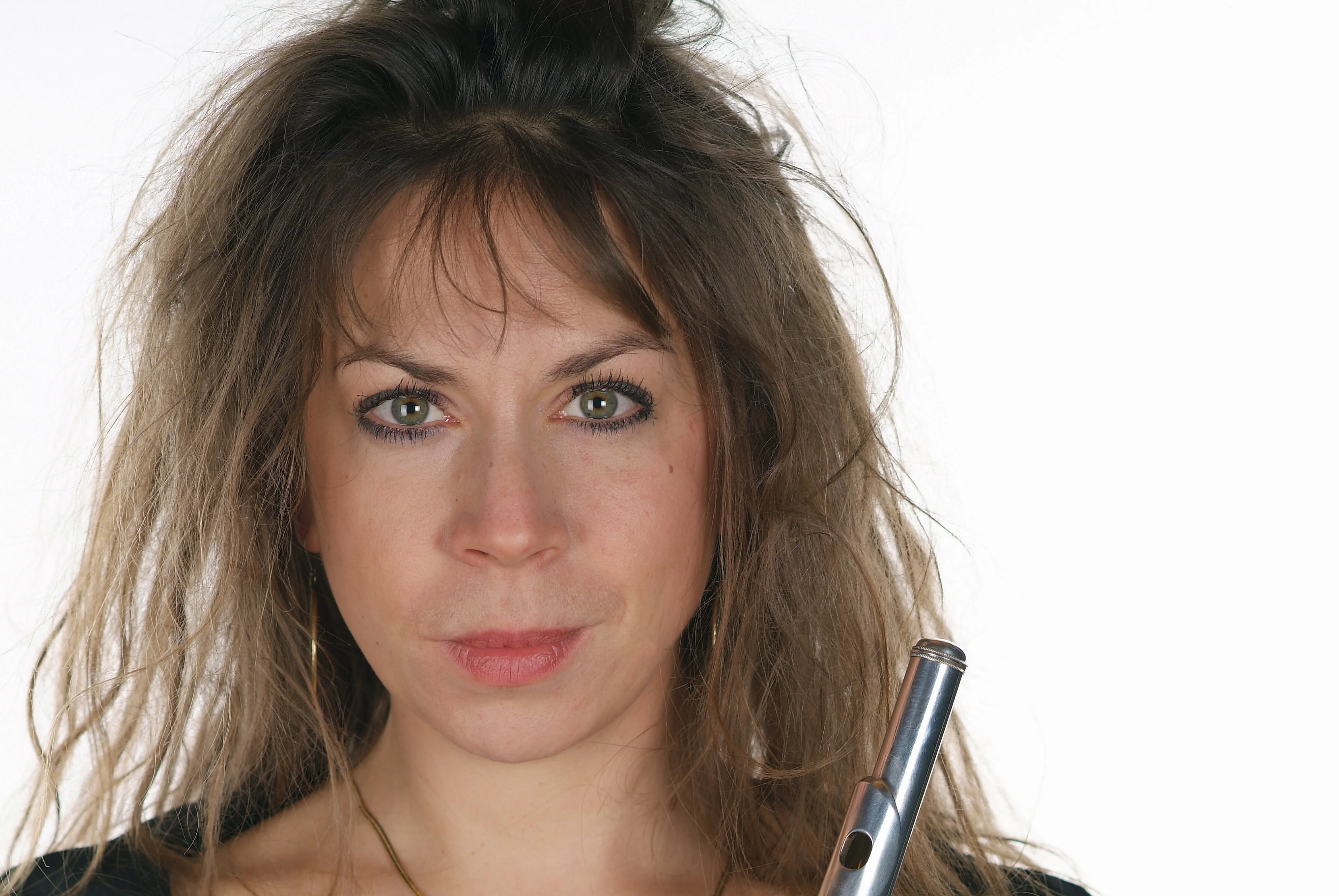
Image from Wikipedia
Image from Wikipedia
Wally Hase – The German Flutist with International Radiance
An Artist Biography Between Solo Career, Chamber Music, and Pedagogical Authority
Wally Hase, born in 1969 in Freiburg im Breisgau, is one of the defining German flutists of her generation. Her musical career combines orchestral leadership positions, demanding chamber music, international concert activities, and a long-standing, influential teaching role. From an early age, she displayed an artistic development that focused not only on virtuosity but also on tonal elegance, stylistic breadth, and a remarkable stage presence. ([de.wikipedia.org](https://de.wikipedia.org/wiki/Wally_Hase))
Emerging from a classical training path, Hase developed a profile that has become rare in the European flute landscape: a soloist, ensemble partner, professor, and culturally influential interpreter all in one. Her career spans from Stuttgart to Weimar to Vienna, merging academic excellence with a concert practice that has unfolded in Europe, Asia, Australia, and South America. This mix of experience, expertise, and institutional authority makes her one of the most interesting voices in classical flute art. ([de.wikipedia.org](https://de.wikipedia.org/wiki/Wally_Hase))
Early Formative Years and Education: From Stuttgart to the International Music Scene
In 1986, Wally Hase began her studies at the Hochschule für Musik in Stuttgart with Karl Friedrich Mess, after receiving a scholarship to the World Youth Orchestra in the USA that same year. She subsequently continued her education with Jean-Claude Gérard and Aurèle Nicolet, two influential names in the European flute school. Even at this stage, it was evident that Hase worked with not only technical sovereignty but also profound musical reflection. ([de.wikipedia.org](https://de.wikipedia.org/wiki/Wally_Hase))
Her early experiences in orchestras and ensembles shaped her into an artist who understands both the symphonic body and chamber music. As a member of the Festspielorchester Ludwigsburg, she toured China, Japan, and South America; in 1989, she performed in New Zealand at the Festival of the Arts. In 1990, she received a scholarship from the Richard Wagner Society Bayreuth, and between 1990 and 1993, she was involved with the Karlsruhe Ensemble 13 and the Bach Collegium Stuttgart under Helmuth Rilling. ([de.wikipedia.org](https://de.wikipedia.org/wiki/Wally_Hase))
The Breakthrough in the Orchestra: Staatskapelle Weimar and an Exceptional Start
The real breakthrough came early and with particular force: Before completing her studies, Wally Hase became the principal flutist of the Staatskapelle Weimar at the age of 22, a position she held until 2009. This was not only a career step but also a clear signal of exceptional confidence in her musical maturity, tone, and orchestral leadership qualities. ([de.wikipedia.org](https://de.wikipedia.org/wiki/Wally_Hase))
This role profoundly shaped her artistic identity. As principal flutist, she collaborated with renowned ensembles such as the Staatskapelle Dresden, the SWR Radio Symphony Orchestra, MDR Leipzig and WDR Cologne, as well as the Cappella Andrea Barca under Sir András Schiff. This consistently placed her at the forefront of the European concert scene and developed an interpretative authority that extends far beyond the flute. ([de.wikipedia.org](https://de.wikipedia.org/wiki/Wally_Hase))
Chamber Music as an Artistic Laboratory
A central part of Wally Hase's profile lies in chamber music. She regularly performs in a duo with guitarist Thomas Müller-Pering, participates in the Trio Lobkowitz Wien, and has collaborated with the Mandelring Quartet. Additionally, there is the project "Music & Lyric" in cooperation with Jan Philipp Reemtsma, which illustrates how open her approach to musical forms and literary contexts is. ([de.wikipedia.org](https://de.wikipedia.org/wiki/Wally_Hase))
Particularly noteworthy is her long-term relationship with the Camerata Salzburg, with whom she has been regularly collaborating since 2008. In such formations, the strength of her musical personality is evident: precise intonation, attentive chamber music listening, stylistic flexibility, and a sound language that never separates the soloistic from the ensemble. This mode of playing is a hallmark of great chamber musicians. ([de.wikipedia.org](https://de.wikipedia.org/wiki/Wally_Hase))
Discography and Recordings: Depth of Repertoire Over Mere Showmanship
Wally Hase's discography not only documents technical brilliance but also a broad understanding of repertoire. Her recordings include Weimar Classics 2 featuring works by Traugott Maximilian Eberwein, Tritonus Wimares, Musika Jani, Lyric Pieces, Romances, Jorinde and Joringel, Círculo Mágico, and You, Me, and Sometimes Love. The selection showcases an artist who seamlessly connects historical music, romantic miniatures, audiobook formats, and stylistically open chamber music. ([de.wikipedia.org](https://de.wikipedia.org/wiki/Wally_Hase))
The radio and CD productions further underscore her significance in the repertoire landscape. The recordings comprise both solo performances and chamber music configurations, such as with guitar or in mixed ensembles. This very diversity makes her discography culturally and historically interesting: it is not merely an archive of releases but a resonant document of a flutist who has actively contributed to the repertoire. ([de.wikipedia.org](https://de.wikipedia.org/wiki/Wally_Hase))
Awards, Recognition, and Authority in the Music Scene
The professional community responded early to Hase's level. In 2006, she received the German Record Critics' Award, followed by the Leopold in 2007. Such awards signify not only quality but also relevance: they mark an artist whose recordings and interpretations have been sustainably recognized in the professional music industry. ([de.wikipedia.org](https://de.wikipedia.org/wiki/Wally_Hase))
In addition, she possesses institutional authority. In 2000, she became a professor of flute at the Hochschule für Musik Franz Liszt Weimar, taught additionally at the University of Music in Krakow from 2014 to 2018, and has been a professor at the University of Music and Performing Arts Vienna since October 2018. Those who work in such positions not only shape students but also the aesthetic future of an instrument. ([de.wikipedia.org](https://de.wikipedia.org/wiki/Wally_Hase))
Style and Sound Language: Precision, Phrasing, and Stylistic Breadth
Wally Hase's interpretative signature is based on clarity, tonal balance, and an extremely controlled breath flow. Her work encompasses recitals, solo concerts, and chamber music; her recurring masterclasses in Europe, Australia, Asia, and South America also attest to her pedagogical influence. In a music landscape that often focuses on mere effects, she stands for a controlled, sensitive, yet expressive tone culture. ([de.wikipedia.org](https://de.wikipedia.org/wiki/Wally_Hase))
Particularly striking is the connection between orchestral discipline and chamber musical intelligence. Hase understands the flute as both a soloistic and integrative instrument: not merely as a prominent showpiece but as a color-giving, shaping, and dialogical sound body. This is where the sustainable value of her artistic development lies. ([de.wikipedia.org](https://de.wikipedia.org/wiki/Wally_Hase))
Cultural Influence: From the Stage to the Educational Landscape
Wally Hase has visibly shaped the flute not only on stage but also in the educational sphere. Her professorships in Weimar, Krakow, and Vienna mark milestones in a career that directly influences the next generation. Additionally, her international jury activities further lend weight to her judgment in professional competition contexts. ([de.wikipedia.org](https://de.wikipedia.org/wiki/Wally_Hase))
Her collaborations with renowned orchestras and ensembles have also had a cultural impact. She represents a European flute school that combines technical precision, stylistic openness, and musical integrity. For this reason, her name remains relevant to concert audiences, students, and professionals alike. ([de.wikipedia.org](https://de.wikipedia.org/wiki/Wally_Hase))
Current Projects and Artistic Presence
Her official website continues to document concerts and new recordings, including references to the Trio Lobkowitz Wien and current performances with the Camerata Salzburg. The site also points to new recordings and videos on her YouTube channel, underscoring her ongoing presence in the digital concert and outreach space. Thus, her artistic work does not dwell in the past but rather continues to evolve. ([wallyhase.de](https://www.wallyhase.de/))
This continuous activity is particularly remarkable for a classical interpreter. It shows that Wally Hase not only looks back on a great past but also remains a vibrant musical personality in the present. This is her unique strength: tradition, present, and pedagogical responsibility intertwine in her work. ([wallyhase.de](https://www.wallyhase.de/))
Conclusion: A Flutist of Substance, Depth, and Lasting Impact
Wally Hase represents an artist biography that combines solo excellence, chamber music sensitivity, and high-level pedagogical responsibility. Her career illustrates how technical mastery transforms into cultural significance: through stylistic consistency, through intelligent repertoire choices, and through a presence that inspires both musicians and audiences. Anyone wishing to experience flute artistry with substance, nobility, and international stature should hear Wally Hase live. ([de.wikipedia.org](https://de.wikipedia.org/wiki/Wally_Hase))
Official Channels of Wally Hase:
- Instagram: no official profile found
- Facebook: no official profile found
- YouTube: no official profile found
- Spotify: no official profile found
- TikTok: no official profile found