
Wally Hase
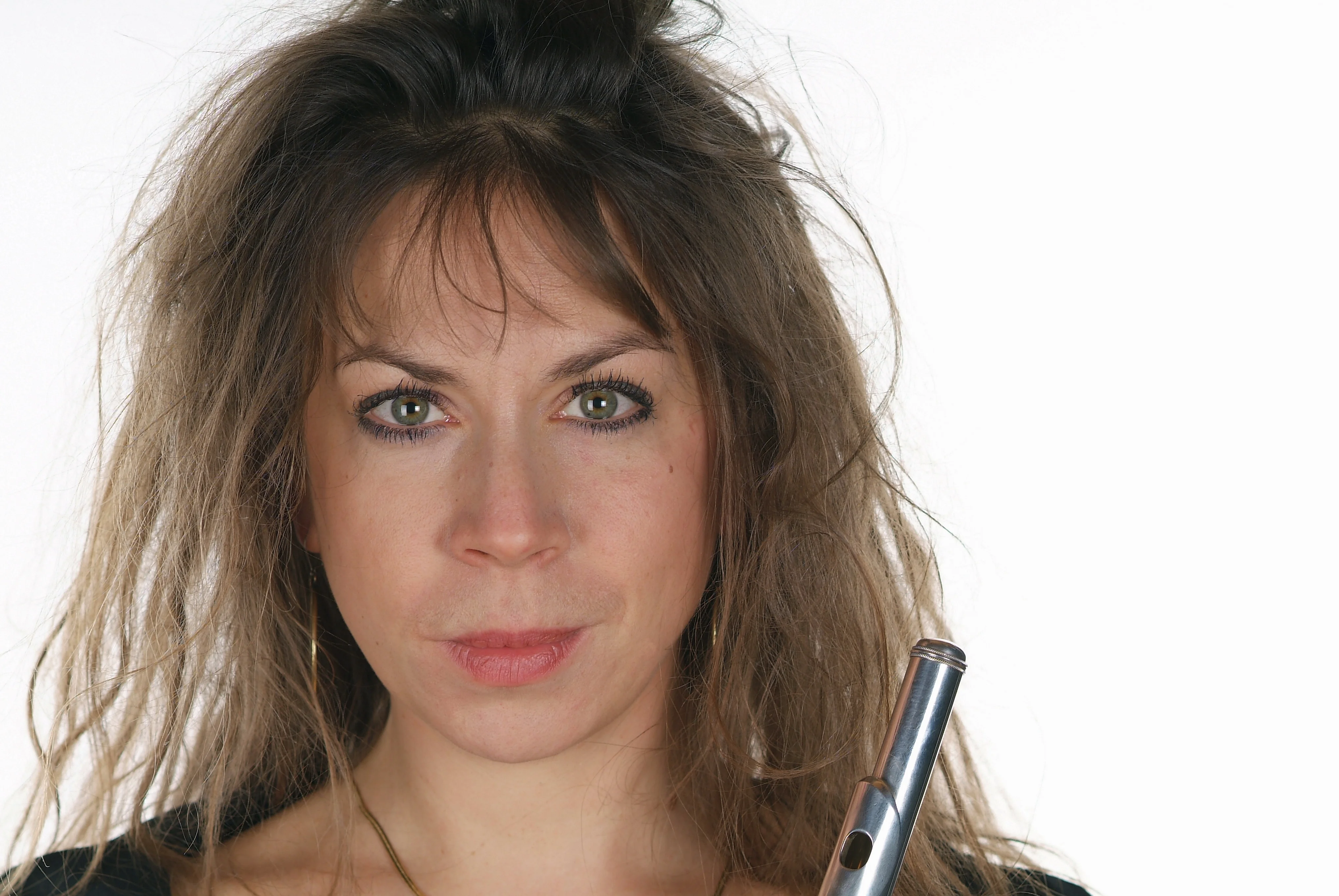
Image from Wikipedia
Image from Wikipedia
Wally Hase – The German Flutist Between Orchestral Culture, Chamber Music, and International Teaching
An Artistic Personality with Depth, Discipline, and Sonic Authority
Wally Hase, born in 1969 in Freiburg im Breisgau, is one of the distinguished German flutists of her generation. Her career combines the precision of a professional orchestral musician with the expressiveness of a sought-after soloist and chamber musician. Outstanding teachers such as Jean-Claude Gérard and Aurèle Nicolet had a significant impact on her early development; from this foundation, she developed an artistic profile that carries weight in Germany, Austria, and far beyond. ([de.wikipedia.org](https://de.wikipedia.org/wiki/Wally_Hase))
Listening to Wally Hase reveals not just a virtuoso instrumentalist, but a musician with stylistic sovereignty, a clear tone, and a strong sense of musical architecture. Her music career exemplifies continuity, curiosity, and a rare combination of orchestral experience, soloist presence, and pedagogical authority. ([de.wikipedia.org](https://de.wikipedia.org/wiki/Wally_Hase))
Biography: From Studies in Stuttgart to Her First Major Orchestral Position
In 1986, Wally Hase began her studies at the Hochschule für Musik in Stuttgart with Karl Friedrich Mess, after having participated in the World Youth Orchestra in the USA that same year through a scholarship. This was the first visible step towards a career that soon took on international dimensions. She continued her training with Jean-Claude Gérard and Aurèle Nicolet, two names synonymous with the highest standards in flute education. ([de.wikipedia.org](https://de.wikipedia.org/wiki/Wally_Hase))
Even during her studies, she gained formative orchestral experience: as a member of the Festspielorchester Ludwigsburg, she traveled to China, Japan, and South America; in 1989, she performed in New Zealand at the Festival of the Arts; in 1990, she received a scholarship from the Richard Wagner Society Bayreuth. These experiences illustrate an artist who did not confine herself to the classroom but grew early into the international concert scene. ([de.wikipedia.org](https://de.wikipedia.org/wiki/Wally_Hase))
Career: Solo Flutist, Professor, and Sought-After Ensemble Partner
Before completing her studies, Wally Hase became the solo flutist of the Staatskapelle Weimar at the age of 22; she held this position until 2009. This is not just a biographical footnote but a career highlight: A young musician establishing herself in a prestigious orchestra and maintaining a high level of performance for years. At the same time, she worked with the Karlsruher Ensemble 13 and the Bach Collegium Stuttgart under Helmuth Rilling from 1990 to 1993. ([de.wikipedia.org](https://de.wikipedia.org/wiki/Wally_Hase))
Since 2008, she has collaborated regularly with the Camerata Salzburg. Additionally, she has performed as a soloist with the Staatskapelle Dresden, the SWR Symphony Orchestra Freiburg-Baden-Baden, MDR Leipzig, WDR Cologne, and Cappella Andrea Barca under András Schiff. This breadth is characteristic of her music career: Hase effortlessly navigates between orchestras, concert halls, and chamber music stages. ([de.wikipedia.org](https://de.wikipedia.org/wiki/Wally_Hase))
She also sets standards as an educator. In 2000, she became a professor of flute at the Hochschule für Musik Franz Liszt Weimar and served as a guest professor at the Akademia Muzyczna w Krakowie from 2014 to 2018. Since October 2018, she has been a professor of flute at the University of Music and Performing Arts Vienna. Her masterclasses in Europe, Australia, Asia, and South America underscore her international stature. ([de.wikipedia.org](https://de.wikipedia.org/wiki/Wally_Hase))
Discography: Selection, Repertoire, and Documented Versatility
Wally Hase's discography is not a flashy solo career designed for maximum media presence but rather a cultivated document of artistic work. The selection of her recordings reflects classical repertoire, chamber music, and musical curiosity: from Weimar Classicism to Schulhoff, Schubert, Grieg, Piazzolla, and Ravel. This showcases a flutist who respects stylistic boundaries but does not adhere to them rigidly. ([de.wikipedia.org](https://de.wikipedia.org/wiki/Wally_Hase))
Documented recordings include Weimarer Klassik 2 (1994), Tritonus Wimares (2000), Lyric pieces with Thomas Müller-Pering (2002), Romances (2003), Jorinde und Joringel (2006), Círculo Mágico (2007), and the literary-musical project Du, ich und zuweilen Liebe (2007). This selection demonstrates an awareness of repertoire, sound culture, and a keen interest in formats that bridge concert, chamber music, and music-literary narration. ([de.wikipedia.org](https://de.wikipedia.org/wiki/Wally_Hase))
Current Projects: Concert Life, Tours, and New Recordings
On her official website, Wally Hase presents a dense concert agenda for 2026 and 2027, including performances with the Camerata Salzburg, the Trio Lobkowitz Wien, and at the DGfF Flute Festival in Essen. The international scope is particularly striking: dates take her to Salzburg, Vienna, Munich, Leipzig, Landsberg am Lech, Murchin, and as part of a South America tour to Lima, Buenos Aires, Montevideo, Mexico City, and Guanajuato. ([wallyhase.de](https://www.wallyhase.de/))
Additionally, she notes new recordings on her YouTube channel, including works by Maurice Duruflé and Carl Frühling with the Trio Lobkowitz Wien. This indicates that Wally Hase not only reflects upon her existing career but actively expands her artistic archive and makes it digitally accessible. ([wallyhase.de](https://www.wallyhase.de/))
Style and Sound Ideal: Between Radiance, Elegance, and Chamber Music Intelligence
Wally Hase's playing is frequently described in reviews as warm, light-footed, and virtuosic. A concert review highlights her "warm flute tone" and emphasizes the ease with which she performs the playful-majestic concert; another praises her "sparkling speed" and the convincing interpretation of a challenging solo part. Such reactions refer to a flutist who does not merely demonstrate technical control but transforms it into musical expression. ([maz-online.de](https://www.maz-online.de/lokales/brandenburg-havel/virtuose-floetistin-sommerliches-sinfoniekonzert-mit-gaststar-wally-hase-WFIG5IZFQACSBGFEOGI6B3O6X4.html?utm_source=openai))
Her profile is particularly evident in chamber music. In duos with guitarist Thomas Müller-Pering, in the Trio Lobkowitz Wien, or in collaborations with pianists and orchestra partners, she prioritizes dialogue, phrasing, and sonic balance over soloistic brilliance. This is a crucial part of her artistic development: the flute as a voice within the ensemble, not merely as a virtuoso instrument. ([de.wikipedia.org](https://de.wikipedia.org/wiki/Wally_Hase))
Acknowledgment, Awards, and Cultural Influence
In 2006, Wally Hase was awarded the prize of the German Record Critics, followed by the Leopold award in 2007. These accolades mark recognition not only for technical excellence but also for the quality of her recordings and repertoire. In the German and Austrian music landscape, she represents a rare combination of artistic reliability, repertoire awareness, and pedagogical influence. ([de.wikipedia.org](https://de.wikipedia.org/wiki/Wally_Hase))
Her cultural influence is also evident in her transmission of knowledge. As a professor in Weimar and Vienna, as a guest lecturer and juror, she participates in the training of the next generation. This dual role – as performer and teacher – lends authority to her biography and establishes her as a significant voice in European flute performance. ([de.wikipedia.org](https://de.wikipedia.org/wiki/Wally_Hase))
Conclusion: A Flutist with Stance, Sound, and Lasting Relevance
Wally Hase is captivating because she does not need a short-term career spectacle. Her career is rooted in substance: early successes, many years of orchestral experience, a clear artistic voice, and an international teaching role that further solidifies her authority. Those who follow her work encounter a musician who addresses the classical repertoire with seriousness, elegance, and intellectual acuity. ([de.wikipedia.org](https://de.wikipedia.org/wiki/Wally_Hase))
This artistry unfolds its full effect especially in live performances. In concerts, chamber music programs, and masterclasses, Wally Hase demonstrates her ability to weave tone, breath, and form into a compelling whole. A live experience with her is worth it for anyone seeking high-level flute artistry, musical intelligence, and genuine stage presence. ([wallyhase.de](https://www.wallyhase.de/))
Official Channels of Wally Hase:
- Instagram: no official profile found
- Facebook: no official profile found
- YouTube: https://www.youtube.com/channel/UCdtWjMGbiEsgUr-NkwXPQMg
- Spotify: no official profile found
- TikTok: no official profile found
Sources:
- Wally Hase | Home - Artist Official Website
- Wikipedia - Wally Hase
- YouTube - Official Channel of Wally Hase
- Wally Hase | Home - Artist Official Website
- MAZ - Virtuoso Flutist: Summer Symphony Concert with Guest Star Wally Hase
- Alsfeld Music Art - Press Reports 2010/11
- Wieland-Gesellschaft - Prof. Wally Hase