
Ursel Schlicht
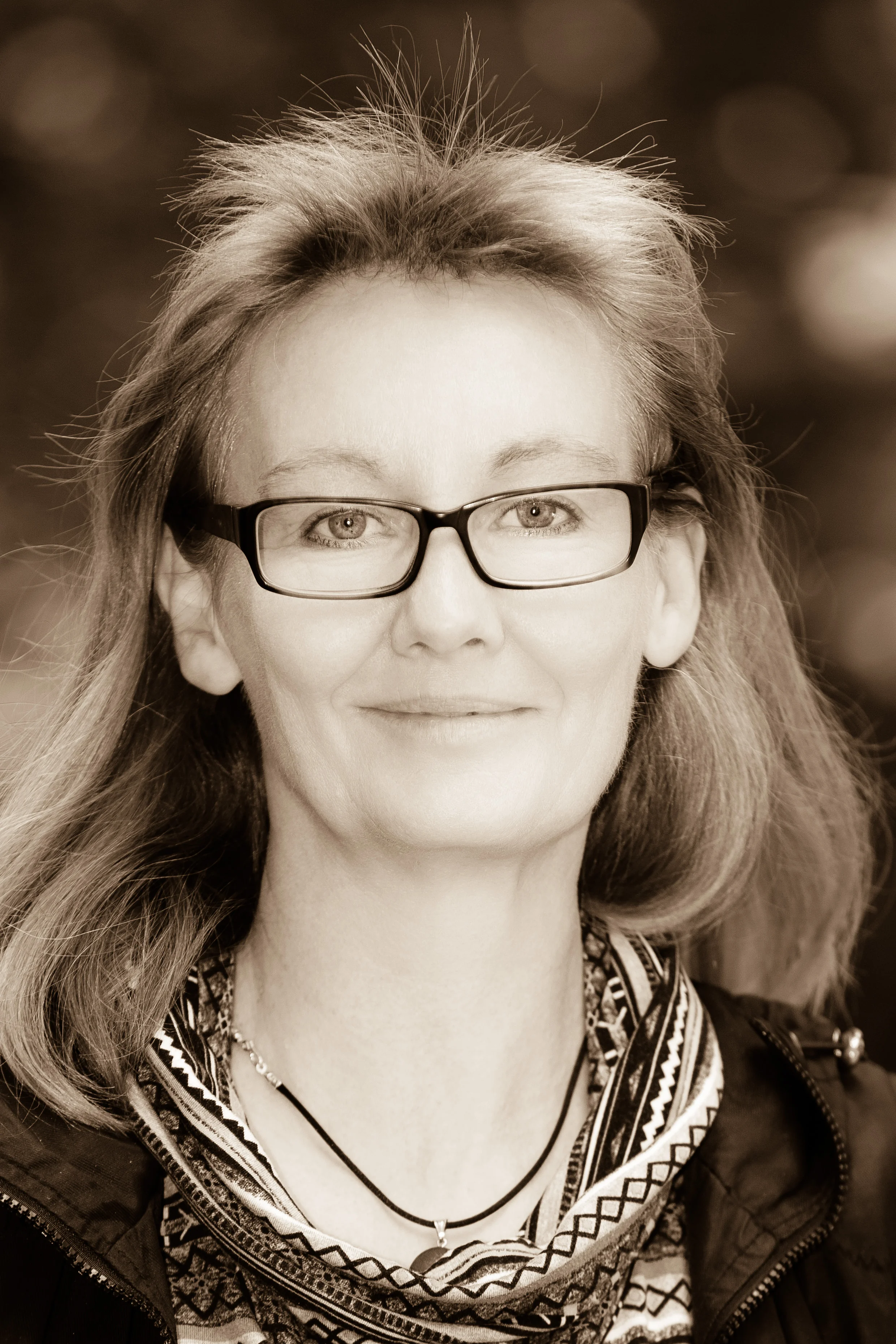
Image from Wikipedia
Image from Wikipedia
Ursel Schlicht: Improvisation, Jazz and Artistic Freedom Between Hamburg, New York and Kassel
A Pianist Who Understands Jazz as an Open Form of Thought
Ursel Schlicht, born on December 15, 1962, in Hamburg, is among the most prominent German pianists at the intersection of jazz, free improvisation, new music, and musicology. Her artistic work combines stage presence, sonic curiosity, and scholarly reflection into a music career that has never been confined to a single genre. It is precisely this openness that makes her an exciting voice in contemporary improvisational jazz. ([de.wikipedia.org](https://de.wikipedia.org/wiki/Ursel_Schlicht))
From Hamburg to the World: Education and Early Artistic Influences
Schlicht studied music in Kassel and received her doctorate at the Institute of Musicology Hamburg under Helmut Rösing and Peter Niklas Wilson. Her dissertation It’s Gotta Be Music First. On the Importance, Reception and Work Situation of Female Jazz Musicians was published in 2000 and early on marked her dual focus on practice and theory. Even at this stage, the signature of an artist is apparent who not only plays but also analytically delves into musical structures, gender roles, and cultural contexts. ([uni-kassel.de](https://www.uni-kassel.de/fb01/institute/institut-fuer-musik/fachgebiete-und-studienbereiche/popularmusik/mitarbeitende/ursel-schlicht.html))
Schlicht also positioned herself early in scholarly fields covering topics such as improvisation, women in jazz, and musical education. Her publications document a continuous interest in jazz history, gender studies, and educational mediation, such as contributions about female jazz musicians, teaching improvisation, and the reception of female creativity in the music industry. This connection between research and performance shapes her authority far beyond the stage. ([de.wikipedia.org](https://de.wikipedia.org/wiki/Ursel_Schlicht))
New York as a Laboratory for Improvisation and Exchange
From 2002 to 2013, Ursel Schlicht lived and worked in New York, where she operated as a freelance musician and lecturer. She taught at Rutgers University, Ramapo College of New Jersey, and Columbia University, focusing on improvisation, music history, and Music and Gender. These years shaped her profile as an internationally networked pianist who understands artistic development not as a linear stylistic change but as a dialogical process. ([uni-kassel.de](https://www.uni-kassel.de/fb01/institute/institut-fuer-musik/fachgebiete-und-studienbereiche/popularmusik/mitarbeitende/ursel-schlicht.html))
During this phase, she collaborated with ensembles and musicians from the experimental scene, including Hans Tammen, Sarah Weaver, Stephanie Griffin, Catherine Sikora, Josh Sinton, François Grillot, and Andrew Drury. The discography points to an artistic practice based on collective improvisation, sonic densification, and open form. Schlicht's name stands for an improvisational stance in which composition and spontaneous reaction complement each other. ([de.wikipedia.org](https://de.wikipedia.org/wiki/Ursel_Schlicht))
Back in Germany: Kassel, Teaching, and Intercultural Projects
Since the summer of 2013, Ursel Schlicht has been back in Germany, teaching improvisation at the University of Kassel. There, she works in intercultural music projects and engages in formats that bring together refugees, schools, and communities, as well as at the Kassel Center for Intercultural Music. Thus, her music career is not only a story of stage work but also of cultural mediation and social responsibility. ([de.wikipedia.org](https://de.wikipedia.org/wiki/Ursel_Schlicht))
Her approach to improvisation as a learnable yet never complete practice is particularly influential. On her official website, she describes workshops that focus on the fundamentals of jazz playing, blues forms, modal improvisation, and communicative listening. Schlicht combines didactic precision with artistic experience, showing how strongly her work is anchored between education, performance, and creative research. ([urselschlicht.com](https://www.urselschlicht.com/))
Discography: From Experimental Ensembles to Solo Piano
The discography of Ursel Schlicht showcases a musician consistently navigating the realm of improvised music. Key releases include Sound Quest (2001), Poets of the Now (2002), Syncretic Tales (2005), String Theory (2005), Einstein’s Dreams (2005), Photosphere (2006), SonicExchange (2013), Breathing Meditation (2022), Máninn Lídur (2025), and Creeks and Stars (2025). This selection clearly indicates the wide range of her repertoire between solo, duo, ensemble, and intercultural collaboration. ([de.wikipedia.org](https://de.wikipedia.org/wiki/Ursel_Schlicht))
Especially Creeks and Stars highlights her current aesthetic direction: The album emerged from impressions of documenta fifteen in Kassel and was developed by Ursel Schlicht as an improvisational reaction to art, space, and perception. The tracklist and Bandcamp material emphasize a concentrated, often contemplative form of playing that focuses on sonic transparency and atmospheric density. A review in the New York City Jazz Record also refers to her improvisations as "cerebral" and "ethereal." ([urselschlicht.com](https://www.urselschlicht.com/))
Musical Development: Between Jazz, New Music, and Free Improvisation
Ursel Schlicht's musical development is closely tied to an aesthetics of openness. Her website and academic profiles describe her as a pianist focusing on improvisation, jazz, new music, and intercultural music projects. The interplay of composition, spontaneous reaction, and structural freedom gives her playing a distinctive tension. ([uni-kassel.de](https://www.uni-kassel.de/fb01/institute/institut-fuer-musik/fachgebiete-und-studienbereiche/popularmusik/mitarbeitende/ursel-schlicht.html))
The Bandcamp release Breathing Meditation illustrates this attitude particularly well: The work is designed as a modular sound project and considers itself more a meditation than a classical performance. Schlicht works with long forms, atmospheric openness, and a sonic language that listens to breath, resonance, and inner movement. This way of playing makes her approach to improvisation simultaneously intellectually and sensually experienceable. ([urselschlicht.bandcamp.com](https://urselschlicht.bandcamp.com/album/breathing-meditation?utm_source=openai))
Cultural Influence and Scholarly Authority
Schlicht’s influence extends far beyond her discography, as she has examined the roles of female jazz musicians, working conditions in the music industry, and issues of musical reception as a scholar. Her publications and teaching positions at renowned universities in Germany and the USA demonstrate a rare connection between artistic practice and musicological expertise. In the scene of improvised music, she is regarded as a reflective voice with a clear profile. ([de.wikipedia.org](https://de.wikipedia.org/wiki/Ursel_Schlicht))
Her festival appearances further emphasize this standing: Schlicht has performed at events such as the Juneau Jazz and Classics Festival, Edgefest, Melbourne Women’s International Jazz Festival, Guelph Jazz Festival, Festival Cervantino, and the Festival of Creative Music. Such engagements situate her within an international network of experimental and contemporary music. Her work represents a transnational culture of improvisation that is locally rooted and globally connected. ([uni-kassel.de](https://www.uni-kassel.de/fb01/institute/institut-fuer-musik/fachgebiete-und-studienbereiche/popularmusik/mitarbeitende/ursel-schlicht.html))
Awards and Current Recognition
In 2025, Ursel Schlicht received the Hessian Jazz Prize for innovative performance, intercultural projects, and her commitment to equality in jazz. The award not only honors her artistic quality but also her cultural-political relevance. With this prize, a musician has been recognized who embodies improvisation as an open, inclusive, and contemporary art form. ([urselschlicht.com](https://www.urselschlicht.com/))
The current reception affirms this position: On her website, Schlicht refers to a review of Creeks and Stars in the New York City Jazz Record, and Bandcamp additionally highlights her intercultural projects and the SonicExchange work as central artistic pillars. This showcases an artist whose present is as vibrant as her history. ([urselschlicht.com](https://www.urselschlicht.com/))
Conclusion: Why Ursel Schlicht Remains Exciting
Ursel Schlicht is exciting because she perceives jazz not merely as a style but as a way of thinking and living. Her pianistic style combines precision, imagination, and structural openness, while her scholarly work makes the cultural framework of this creation visible. Those who wish to experience music as a living dialogue between composition, improvisation, and social responsibility will find in her work an exceptionally rich and inspiring position. ([de.wikipedia.org](https://de.wikipedia.org/wiki/Ursel_Schlicht))
Live, this art unfolds particularly impressively, as Schlicht's playing is based on communication, reaction, and sonic presence. That is precisely her strength: Every performance is a moment of listening, exploration, and invention. One should experience Ursel Schlicht live to grasp the full depth of her musical language. ([urselschlicht.com](https://www.urselschlicht.com/))
Official Channels of Ursel Schlicht:
- Instagram: no official profile found
- Facebook: no official profile found
- YouTube: no official profile found
- Spotify: no official profile found
- TikTok: no official profile found