
Helmut Schüller
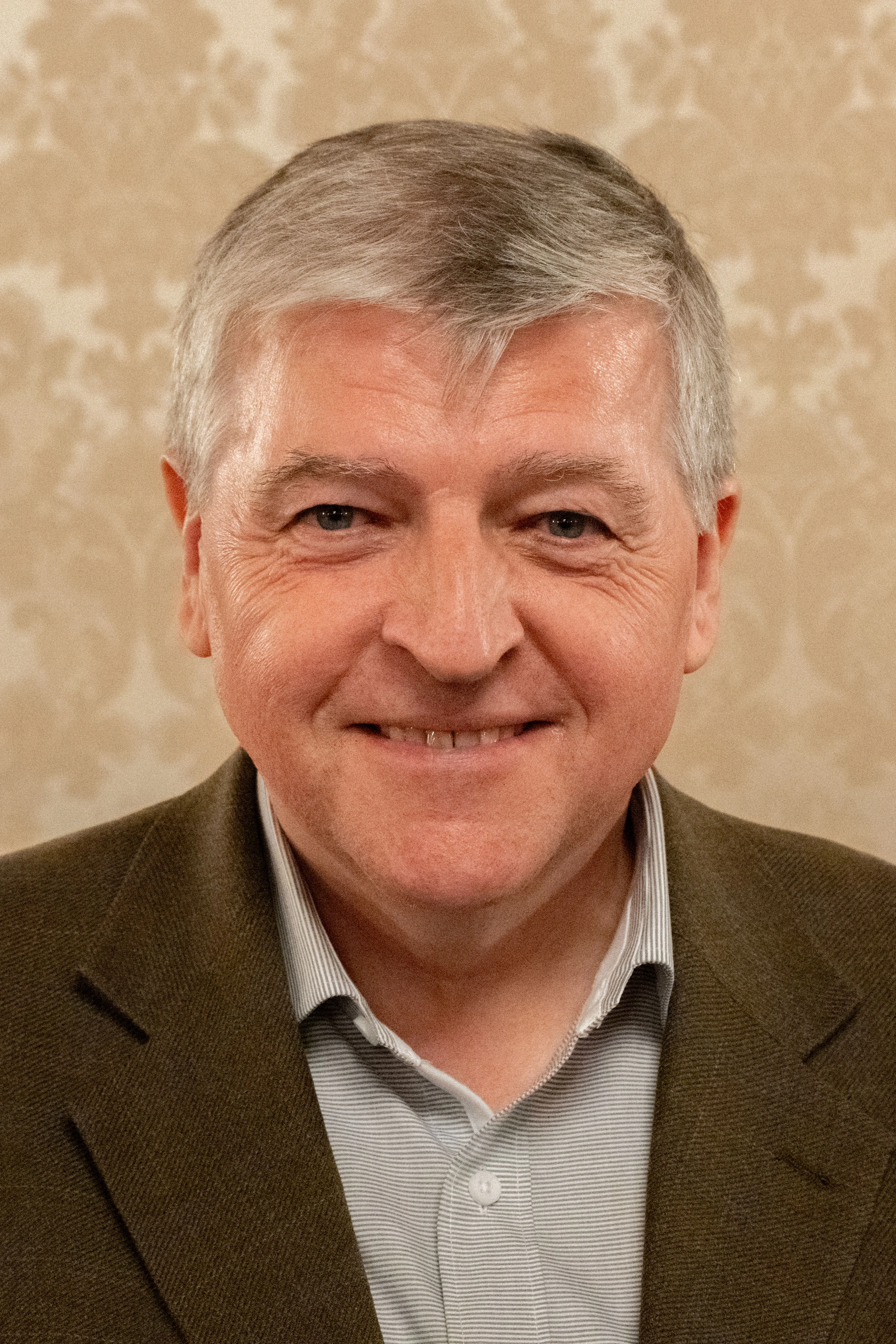
Image from Wikipedia
Image from Wikipedia
Helmut Schüller: The Austrian Clergyman as an Uncomfortable Voice of Contemporary Catholicism
A Shaping Personality Between Pastoral Care, Reform, and Public Debate
Helmut Schüller, born on December 24, 1952, in Vienna, is one of the most well-known Catholic clergymen in Austria. His life journey takes him from theological training in Vienna and Freiburg im Breisgau to his ordination and early pastoral duties, leading to central roles within the Vienna Church. He became known not as a musician, but as a prominent clergyman, Caritas manager, and church reformer, shaping the internal church debate for years. ([de.wikipedia.org](https://de.wikipedia.org/wiki/Helmut_Sch%C3%BCller?utm_source=openai))
Biography: Education, Ordination, and Early Duties
Schüller attended the Hollabrunn seminary from 1963 to 1971 and studied theology at the universities of Vienna and Freiburg im Breisgau after graduating high school, where he obtained his doctorate. After his ordination, he worked from 1977 as a chaplain in St. Brigitta and taught religion at a secondary school as well as at a Higher Technical Institute. These early stages reflect a clergyman whose career has been strongly shaped by practical pastoral care, education, and social engagement. ([de.wikipedia.org](https://de.wikipedia.org/wiki/Helmut_Sch%C3%BCller?utm_source=openai))
Career: From Caritas to the General Vicariate
In the 1980s and 1990s, Schüller increasingly took on responsible roles in the Vienna Church administration. He served as diocesan youth pastoral worker, a staff member of Caritas, and from 1988 he was the director of Caritas of the Archdiocese of Vienna; later he also served as general vicar. Portraits by ORF and contemporary reports depict him as one of the most influential figures in the Austrian Church of that era, whose public impact reached far beyond church structures. ([de.wikipedia.org](https://de.wikipedia.org/wiki/Helmut_Sch%C3%BCller?utm_source=openai))
The Reformer: Priests' Initiative and Church Protest Culture
Schüller gained particular notoriety as the spokesperson and chair of the Priests' Initiative Austria, founded in 2006. The initiative advocated for reforms within the Catholic Church and sparked public discussions about co-determination, the understanding of the ministry, and the role of women in church life. In 2011, Schüller published the "Call to Disobedience," which generated significant media resonance and ultimately made him a symbol of the internal church reform discourse. ([de.wikipedia.org](https://de.wikipedia.org/wiki/Pfarrer-Initiative_%C3%96sterreich?utm_source=openai))
Public Controversies and Impact
Schüller's name is closely associated with the debate over the future of the Church. Media described him as a rebel, a critic of the Church, and an uncomfortable admonisher who wanted to involve the Church's people more and no longer postpone reforms. His public impact was rooted not in staging but in a mix of ecclesiastical authority, factual argumentative spirit, and the persistent will to address structural issues openly. ([tagesspiegel.de](https://www.tagesspiegel.de/politik/rebell-aus-wien-2077933.html?utm_source=openai))
Awards, Current Positions, and Late Recognition
Even in later years, Schüller remained a relevant voice in the Austrian religious and societal discourse. The World Ethos Foundation announced that he will preside over the World Ethos Initiative Austria starting in December 2025; moreover, he was awarded the Herbert Haag Prize for Freedom in the Church in 2012. These milestones underscore his reputation as a clergyman who consistently merges ecclesiastical tradition with reform aspirations. ([weltethos.org](https://www.weltethos.org/helmut-schueller-uebernimmt-leitung-der-initiative-weltethos-oesterreich/?utm_source=openai))
Musical Context: No Discography, But a Strong Public Voice
Helmut Schüller does not have a discography in the musical sense, as he is not an artist in the music industry. Nevertheless, his public presence possesses a certain rhetorical dynamism: clear statements, media presence, and the courage to take a stand make him a figure with strong recognition in Austria's cultural memory. For those searching for "hits," they will not find chart singles but significant contributions to debates, interviews, and statements. ([de.wikipedia.org](https://de.wikipedia.org/wiki/Helmut_Sch%C3%BCller?utm_source=openai))
Cultural Influence: Between Church, Society, and the Austrian Public
Schüller's influence extends beyond the inner workings of the Church, as he has brought questions of responsibility, transparency, and reform into the public arena. Particularly in connection with the Priests' Initiative, he has become a projection surface for those desiring a more dialogue-oriented and democratic Church. In Austria, he is one of the most recognizable faces of a Catholic reform culture that claims social relevance and continuously generates media attention. ([wien.orf.at](https://wien.orf.at/stories/3154332/?utm_source=openai))
Conclusion: Why Helmut Schüller Remains Compelling
Helmut Schüller remains compelling because he does not understand Catholic tradition as a static inheritance, but rather as a matter of present-day contention. His biography connects pastoral care, leadership responsibility, and reform pressure into a profile that continues to polarize and inspire in Austria today. Those interested in the Church, society, and the dynamics of public debates should closely follow his positions and his journey. ([de.wikipedia.org](https://de.wikipedia.org/wiki/Helmut_Sch%C3%BCller?utm_source=openai))
Official Channels of Helmut Schüller:
- Instagram: No official profile found
- Facebook: No official profile found
- YouTube: No official profile found
- Spotify: No official profile found
- TikTok: No official profile found
Sources:
- Wikipedia – Helmut Schüller
- ORF religion – Helmut Schüller turns 60
- ORF Wien – Schüller, Resetarits, and the Sea of Light
- Ö1/ORF – "I feel a movement is imminent!”
- World Ethos Foundation – Helmut Schüller takes over leadership of the World Ethos Initiative Austria
- Der Tagesspiegel – Rebel from Vienna
- Wikipedia – Priests' Initiative Austria