
Gartenstraße 6, Karlsfeld
Gartenstraße 6, 85757 Karlsfeld, Germany
Heimatmuseum Karlsfeld e.V. | Opening Hours & Collection
The Heimatmuseum Karlsfeld e.V. is not a large, anonymous exhibition house, but a place of closeness, memory, and clear local identity. In the Old Town Hall at Gartenstraße 6, the museum showcases the history of Karlsfeld since its founding in 1802, connecting local history with flight, displacement, integration, and the everyday life of several generations. The mix of authentic objects, personal stories, and volunteer engagement makes the visit particularly special. Those searching for Heimatmuseum Karlsfeld, images of Heimatmuseum Karlsfeld e.V., or the opening hours will find an address where historical depth and manageable, easily understandable presentations come together. According to the official website, the museum opens every 1st and 3rd Sunday of the month from 2 PM to 5 PM and is supported by a volunteer association. ([heimatmuseum-karlsfeld.de](https://heimatmuseum-karlsfeld.de/))
History of the Heimatmuseum and the Development of Karlsfeld since 1802
The history of the museum is closely linked to the history of the place. Karlsfeld was established in 1802 in the Dachau Moor along the connecting road between Munich and Dachau. From a small street village, it developed over the course of more than two centuries into a community on the outskirts of the metropolis of Munich. This development is the main theme of the house: from the sparse life of the first moor farmers to the expansion of settlement, economy, and administration, leading to the modern community with its role in the Munich metropolitan area. The official presentation of the museum emphasizes that the exhibits vividly illustrate these developmental steps, making both early living conditions and later changes visible. Particularly important is the focus on the origins, displacement, and integration of many Karlsfeld citizens after World War II. Thus, the museum not only makes local history visible but also explains why Karlsfeld is still characterized by diversity and immigration today. ([heimatmuseum-karlsfeld.de](https://heimatmuseum-karlsfeld.de/))
The institution itself has also undergone a small but remarkable development. The Heimatmuseum Karlsfeld e.V. was founded in 1995 as a registered non-profit association. The museum opened in 2003, initially at Münchner Straße 187, and has been located in the Old Town Hall since 2011. This reflects the museum's anchoring in the community: a historic building as today's memory of the community. The museum is managed by volunteer members who contribute significantly to the content, tours, and special exhibitions. The website also mentions that the curator is the historian Ilsa Oberbauer, which underscores the scientific claim of the presentation. This is important for visitors because here, not only is there a collection, but also context, explanation, and storytelling. The Heimatmuseum Karlsfeld is thus much more than a display case: it is a local history center that makes the transformation of the place comprehensible. ([karlsfeld.de](https://www.karlsfeld.de/Heimatmuseum.n26.html))
Collection, Images, and Exhibits from Everyday Life
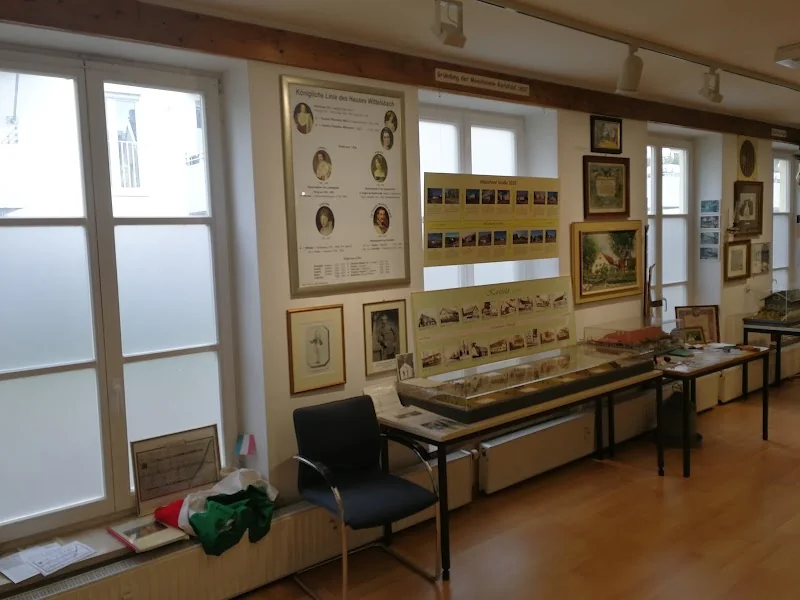
The collection of the Heimatmuseum Karlsfeld is deliberately built around everyday life. As visitors walk through the rooms, they encounter not only classic museum objects but also items that many people recognize from family stories, school days, or their grandparents' households. This includes a model of a peat hut, tools for moor cultivation, and views of the first houses along Münchner Straße according to the historical settlement plan of 1802. School, club life, economy, administration, religious customs, and models of public or church buildings also become visible. The official collection also mentions topics such as the Old Wirt, the first inn of the community, as well as exhibits from the bathroom, laundry room, kitchen, and cellar. This variety is what makes it appealing: the history of Karlsfeld is not told abstractly but through everyday items that touch people and evoke memories. ([karlsfeld.de](https://www.karlsfeld.de/Was-gibt-es-im-Heimatmuseum-zu-sehen.o399.html))
Particularly impressive is the section on the post-war period and the integration of displaced persons. Maps show where many Karlsfeld citizens came from in the former German settlement areas in the East. Folk costumes, laundry, dishes, kitchen utensils, and personal belongings make the experience of loss and new beginnings tangible. Additionally, there are objects from the period after 1945, such as irons, carpet beaters, mechanical washing machines, radios, record players, black-and-white televisions, hair clippers, and hair dryers. The museum thus connects regional history with social everyday history. Those searching for images of Heimatmuseum Karlsfeld e.V. will find numerous image sections on the official website related to the collection, highlights of the museum years, and current topics. This visual language is not a decorative extra but part of the concept: the objects are complemented by photos and image series so that the development of the place and its people remains visually comprehensible. ([karlsfeld.de](https://www.karlsfeld.de/Was-gibt-es-im-Heimatmuseum-zu-sehen.o399.html))
Opening Hours, Admission, and Group Tours
For practical planning, the Heimatmuseum Karlsfeld is pleasantly uncomplicated. The official website states the regular opening hours as every 1st and 3rd Sunday of the month from 2 PM to 5 PM. Additionally, special tours for groups can be arranged by phone. The community page provides the phone number 08131 91380, and the museum page lists the phone number 08131 / 99286 during opening hours. So, those wishing to visit with family, school groups, clubs, or a small travel group can prepare their visit flexibly. This is particularly sensible because the museum operates not as a constantly open large institution but as a lovingly managed, volunteer-supported facility. This structure often leads to personal conversations and more time at each station. Those who appreciate a quiet, intensive museum atmosphere will find it here. ([karlsfeld.de](https://www.karlsfeld.de/Heimatmuseum.n26.html))
Admission prices are also deliberately kept low. The community of Karlsfeld states admission fees of 2.00 euros for adults and 0.50 euros for children; members of the association have free admission. This keeps the visit very affordable for families and makes it suitable for a spontaneous Sunday outing. The association also offers the possibility of membership, which underscores the volunteer character of the house and directly supports the work of the museum. Important for visitors searching for the keyword Heimatmuseum Karlsfeld opening hours: The times refer to the permanent exhibition and the currently running special exhibitions. The official page announces current dates and special exhibitions separately, so a quick look at the website before a visit is worthwhile. This is especially helpful if one wants to see a special thematic exhibition or is arriving with a group and wants to coordinate the tour. For most guests, this makes the museum well-planned and flexible enough for repeat visits. ([karlsfeld.de](https://www.karlsfeld.de/Heimatmuseum.n26.html))
Access by Bus 160, Public Transport, and Parking
The Heimatmuseum Karlsfeld is also easily accessible without a car. The community of Karlsfeld lists line 160 with the stop Karlsfeld, Gartenstraße on its public transport page. This fits very well with the museum's address at Gartenstraße 6. Those coming from Munich or the Dachau district can conveniently travel by bus and arrive directly in the relevant area of the town center. For further journeys or connections, the community refers to the MVV information and the MVV app. This makes the museum interesting for guests who plan their Sunday outing by train, bus, and a short walk. The location in the town is an advantage: Karlsfeld is a community with good regional connections, making it easy to incorporate a museum visit into a walk or a longer stay in the area. ([karlsfeld.de](https://www.karlsfeld.de/OePNV.n300.html?utm_source=openai))
Those arriving by car will find clearly documented parking options nearby, especially at the Karlsfeld train station. There are Park & Ride parking spaces at the entrances Schwabenbächl and Eversbuschstraße, as well as bicycle parking facilities. The community also mentions buses 701, 702, 711, and 712 at the Schwabenbächl entrance. Although the museum page does not publish its own parking list, the combination of bus line 160, train station connection, and Park & Ride makes the journey overall very practical. This is particularly sensible for visitors from the western part of Munich or the Dachau district, as one can choose between car, S-Bahn, and bus depending on the day's condition. For SEO seekers, the connection Heimatmuseum Karlsfeld access, Bus 160, and parking is particularly relevant. The location in the Old Town Hall is not only historically attractive but also conveniently integrated into traffic. ([karlsfeld.de](https://www.karlsfeld.de/OePNV.n300.html))
Special Exhibitions and Highlights of the Museum Years
In addition to the permanent exhibition, the Heimatmuseum Karlsfeld thrives on changing special exhibitions. The official website has a dedicated page for current dates and special exhibitions, and the community regularly informs about new topics. This is an important point for all those who want to see not only the local history but also wish to visit the museum multiple times. In recent years, there have been exhibitions such as At Play and Sport, There Was Something Going On for Young and Old, When YESTERDAY Was Still TODAY – Stories of Change in Everyday Life, and NatureChange in Karlsfeld – From Barren Grounds to Cultural Landscape. These topics illustrate very well how broadly the museum thinks: everyday culture, technology history, childhood memories, mobility, nature, and local development are interconnected. As a result, visitors do not experience a static museum, but a lively place that continually tells the past anew. ([heimatmuseum-karlsfeld.de](https://heimatmuseum-karlsfeld.de/de/aktuelle-termine-und-sonderausstellungen))
Particularly strong is the community-oriented approach. Many exhibits come from Karlsfeld citizens who have contributed their own memorabilia, stories, and family connections. This is precisely why the exhibitions feel so personal: they are not a distant chronicle but a collection of real biographies. In the special exhibition on play and sport, for example, it became clear how strongly generations can connect through shared memories. In the exhibition on the changes in everyday life, old communication devices, media, typewriters, household appliances, and everyday objects were combined in such a way that visitors could immediately recognize differences and progress. The exhibition NatureChange in Karlsfeld, announced for 2026, continues this approach and shows that the Heimatmuseum not only looks back but also documents current developments in landscape, settlement, and consciousness. So, those looking for a museum that is small, approachable, and rich in content will find a true piece of Karlsfeld identity here. For this reason, the visit is worthwhile not only for locals but also for guests from Munich and the surrounding area. ([karlsfeld.de](https://www.karlsfeld.de/heimatmuseum-grosse-eroeffnung-der-sonderausstellung-als-gestern-noch-heute-war-geschichten-vom-wandel-im-alltag))
Sources:
- Heimatmuseum Karlsfeld - Official Website
- Community Karlsfeld - Heimatmuseum in the Old Town Hall
- Community Karlsfeld - What is there to see in the Heimatmuseum?
- Community Karlsfeld - Public Transport and Connections
- MVV - City Bus 160
- Heimatmuseum Karlsfeld - Collection
- Community Karlsfeld - Special Exhibition When YESTERDAY Was Still TODAY
Show moreShow less
Heimatmuseum Karlsfeld e.V. | Opening Hours & Collection
The Heimatmuseum Karlsfeld e.V. is not a large, anonymous exhibition house, but a place of closeness, memory, and clear local identity. In the Old Town Hall at Gartenstraße 6, the museum showcases the history of Karlsfeld since its founding in 1802, connecting local history with flight, displacement, integration, and the everyday life of several generations. The mix of authentic objects, personal stories, and volunteer engagement makes the visit particularly special. Those searching for Heimatmuseum Karlsfeld, images of Heimatmuseum Karlsfeld e.V., or the opening hours will find an address where historical depth and manageable, easily understandable presentations come together. According to the official website, the museum opens every 1st and 3rd Sunday of the month from 2 PM to 5 PM and is supported by a volunteer association. ([heimatmuseum-karlsfeld.de](https://heimatmuseum-karlsfeld.de/))
History of the Heimatmuseum and the Development of Karlsfeld since 1802
The history of the museum is closely linked to the history of the place. Karlsfeld was established in 1802 in the Dachau Moor along the connecting road between Munich and Dachau. From a small street village, it developed over the course of more than two centuries into a community on the outskirts of the metropolis of Munich. This development is the main theme of the house: from the sparse life of the first moor farmers to the expansion of settlement, economy, and administration, leading to the modern community with its role in the Munich metropolitan area. The official presentation of the museum emphasizes that the exhibits vividly illustrate these developmental steps, making both early living conditions and later changes visible. Particularly important is the focus on the origins, displacement, and integration of many Karlsfeld citizens after World War II. Thus, the museum not only makes local history visible but also explains why Karlsfeld is still characterized by diversity and immigration today. ([heimatmuseum-karlsfeld.de](https://heimatmuseum-karlsfeld.de/))
The institution itself has also undergone a small but remarkable development. The Heimatmuseum Karlsfeld e.V. was founded in 1995 as a registered non-profit association. The museum opened in 2003, initially at Münchner Straße 187, and has been located in the Old Town Hall since 2011. This reflects the museum's anchoring in the community: a historic building as today's memory of the community. The museum is managed by volunteer members who contribute significantly to the content, tours, and special exhibitions. The website also mentions that the curator is the historian Ilsa Oberbauer, which underscores the scientific claim of the presentation. This is important for visitors because here, not only is there a collection, but also context, explanation, and storytelling. The Heimatmuseum Karlsfeld is thus much more than a display case: it is a local history center that makes the transformation of the place comprehensible. ([karlsfeld.de](https://www.karlsfeld.de/Heimatmuseum.n26.html))
Collection, Images, and Exhibits from Everyday Life
The collection of the Heimatmuseum Karlsfeld is deliberately built around everyday life. As visitors walk through the rooms, they encounter not only classic museum objects but also items that many people recognize from family stories, school days, or their grandparents' households. This includes a model of a peat hut, tools for moor cultivation, and views of the first houses along Münchner Straße according to the historical settlement plan of 1802. School, club life, economy, administration, religious customs, and models of public or church buildings also become visible. The official collection also mentions topics such as the Old Wirt, the first inn of the community, as well as exhibits from the bathroom, laundry room, kitchen, and cellar. This variety is what makes it appealing: the history of Karlsfeld is not told abstractly but through everyday items that touch people and evoke memories. ([karlsfeld.de](https://www.karlsfeld.de/Was-gibt-es-im-Heimatmuseum-zu-sehen.o399.html))
Particularly impressive is the section on the post-war period and the integration of displaced persons. Maps show where many Karlsfeld citizens came from in the former German settlement areas in the East. Folk costumes, laundry, dishes, kitchen utensils, and personal belongings make the experience of loss and new beginnings tangible. Additionally, there are objects from the period after 1945, such as irons, carpet beaters, mechanical washing machines, radios, record players, black-and-white televisions, hair clippers, and hair dryers. The museum thus connects regional history with social everyday history. Those searching for images of Heimatmuseum Karlsfeld e.V. will find numerous image sections on the official website related to the collection, highlights of the museum years, and current topics. This visual language is not a decorative extra but part of the concept: the objects are complemented by photos and image series so that the development of the place and its people remains visually comprehensible. ([karlsfeld.de](https://www.karlsfeld.de/Was-gibt-es-im-Heimatmuseum-zu-sehen.o399.html))
Opening Hours, Admission, and Group Tours
For practical planning, the Heimatmuseum Karlsfeld is pleasantly uncomplicated. The official website states the regular opening hours as every 1st and 3rd Sunday of the month from 2 PM to 5 PM. Additionally, special tours for groups can be arranged by phone. The community page provides the phone number 08131 91380, and the museum page lists the phone number 08131 / 99286 during opening hours. So, those wishing to visit with family, school groups, clubs, or a small travel group can prepare their visit flexibly. This is particularly sensible because the museum operates not as a constantly open large institution but as a lovingly managed, volunteer-supported facility. This structure often leads to personal conversations and more time at each station. Those who appreciate a quiet, intensive museum atmosphere will find it here. ([karlsfeld.de](https://www.karlsfeld.de/Heimatmuseum.n26.html))
Admission prices are also deliberately kept low. The community of Karlsfeld states admission fees of 2.00 euros for adults and 0.50 euros for children; members of the association have free admission. This keeps the visit very affordable for families and makes it suitable for a spontaneous Sunday outing. The association also offers the possibility of membership, which underscores the volunteer character of the house and directly supports the work of the museum. Important for visitors searching for the keyword Heimatmuseum Karlsfeld opening hours: The times refer to the permanent exhibition and the currently running special exhibitions. The official page announces current dates and special exhibitions separately, so a quick look at the website before a visit is worthwhile. This is especially helpful if one wants to see a special thematic exhibition or is arriving with a group and wants to coordinate the tour. For most guests, this makes the museum well-planned and flexible enough for repeat visits. ([karlsfeld.de](https://www.karlsfeld.de/Heimatmuseum.n26.html))
Access by Bus 160, Public Transport, and Parking
The Heimatmuseum Karlsfeld is also easily accessible without a car. The community of Karlsfeld lists line 160 with the stop Karlsfeld, Gartenstraße on its public transport page. This fits very well with the museum's address at Gartenstraße 6. Those coming from Munich or the Dachau district can conveniently travel by bus and arrive directly in the relevant area of the town center. For further journeys or connections, the community refers to the MVV information and the MVV app. This makes the museum interesting for guests who plan their Sunday outing by train, bus, and a short walk. The location in the town is an advantage: Karlsfeld is a community with good regional connections, making it easy to incorporate a museum visit into a walk or a longer stay in the area. ([karlsfeld.de](https://www.karlsfeld.de/OePNV.n300.html?utm_source=openai))
Those arriving by car will find clearly documented parking options nearby, especially at the Karlsfeld train station. There are Park & Ride parking spaces at the entrances Schwabenbächl and Eversbuschstraße, as well as bicycle parking facilities. The community also mentions buses 701, 702, 711, and 712 at the Schwabenbächl entrance. Although the museum page does not publish its own parking list, the combination of bus line 160, train station connection, and Park & Ride makes the journey overall very practical. This is particularly sensible for visitors from the western part of Munich or the Dachau district, as one can choose between car, S-Bahn, and bus depending on the day's condition. For SEO seekers, the connection Heimatmuseum Karlsfeld access, Bus 160, and parking is particularly relevant. The location in the Old Town Hall is not only historically attractive but also conveniently integrated into traffic. ([karlsfeld.de](https://www.karlsfeld.de/OePNV.n300.html))
Special Exhibitions and Highlights of the Museum Years
In addition to the permanent exhibition, the Heimatmuseum Karlsfeld thrives on changing special exhibitions. The official website has a dedicated page for current dates and special exhibitions, and the community regularly informs about new topics. This is an important point for all those who want to see not only the local history but also wish to visit the museum multiple times. In recent years, there have been exhibitions such as At Play and Sport, There Was Something Going On for Young and Old, When YESTERDAY Was Still TODAY – Stories of Change in Everyday Life, and NatureChange in Karlsfeld – From Barren Grounds to Cultural Landscape. These topics illustrate very well how broadly the museum thinks: everyday culture, technology history, childhood memories, mobility, nature, and local development are interconnected. As a result, visitors do not experience a static museum, but a lively place that continually tells the past anew. ([heimatmuseum-karlsfeld.de](https://heimatmuseum-karlsfeld.de/de/aktuelle-termine-und-sonderausstellungen))
Particularly strong is the community-oriented approach. Many exhibits come from Karlsfeld citizens who have contributed their own memorabilia, stories, and family connections. This is precisely why the exhibitions feel so personal: they are not a distant chronicle but a collection of real biographies. In the special exhibition on play and sport, for example, it became clear how strongly generations can connect through shared memories. In the exhibition on the changes in everyday life, old communication devices, media, typewriters, household appliances, and everyday objects were combined in such a way that visitors could immediately recognize differences and progress. The exhibition NatureChange in Karlsfeld, announced for 2026, continues this approach and shows that the Heimatmuseum not only looks back but also documents current developments in landscape, settlement, and consciousness. So, those looking for a museum that is small, approachable, and rich in content will find a true piece of Karlsfeld identity here. For this reason, the visit is worthwhile not only for locals but also for guests from Munich and the surrounding area. ([karlsfeld.de](https://www.karlsfeld.de/heimatmuseum-grosse-eroeffnung-der-sonderausstellung-als-gestern-noch-heute-war-geschichten-vom-wandel-im-alltag))
Sources:
- Heimatmuseum Karlsfeld - Official Website
- Community Karlsfeld - Heimatmuseum in the Old Town Hall
- Community Karlsfeld - What is there to see in the Heimatmuseum?
- Community Karlsfeld - Public Transport and Connections
- MVV - City Bus 160
- Heimatmuseum Karlsfeld - Collection
- Community Karlsfeld - Special Exhibition When YESTERDAY Was Still TODAY
Heimatmuseum Karlsfeld e.V. | Opening Hours & Collection
The Heimatmuseum Karlsfeld e.V. is not a large, anonymous exhibition house, but a place of closeness, memory, and clear local identity. In the Old Town Hall at Gartenstraße 6, the museum showcases the history of Karlsfeld since its founding in 1802, connecting local history with flight, displacement, integration, and the everyday life of several generations. The mix of authentic objects, personal stories, and volunteer engagement makes the visit particularly special. Those searching for Heimatmuseum Karlsfeld, images of Heimatmuseum Karlsfeld e.V., or the opening hours will find an address where historical depth and manageable, easily understandable presentations come together. According to the official website, the museum opens every 1st and 3rd Sunday of the month from 2 PM to 5 PM and is supported by a volunteer association. ([heimatmuseum-karlsfeld.de](https://heimatmuseum-karlsfeld.de/))
History of the Heimatmuseum and the Development of Karlsfeld since 1802
The history of the museum is closely linked to the history of the place. Karlsfeld was established in 1802 in the Dachau Moor along the connecting road between Munich and Dachau. From a small street village, it developed over the course of more than two centuries into a community on the outskirts of the metropolis of Munich. This development is the main theme of the house: from the sparse life of the first moor farmers to the expansion of settlement, economy, and administration, leading to the modern community with its role in the Munich metropolitan area. The official presentation of the museum emphasizes that the exhibits vividly illustrate these developmental steps, making both early living conditions and later changes visible. Particularly important is the focus on the origins, displacement, and integration of many Karlsfeld citizens after World War II. Thus, the museum not only makes local history visible but also explains why Karlsfeld is still characterized by diversity and immigration today. ([heimatmuseum-karlsfeld.de](https://heimatmuseum-karlsfeld.de/))
The institution itself has also undergone a small but remarkable development. The Heimatmuseum Karlsfeld e.V. was founded in 1995 as a registered non-profit association. The museum opened in 2003, initially at Münchner Straße 187, and has been located in the Old Town Hall since 2011. This reflects the museum's anchoring in the community: a historic building as today's memory of the community. The museum is managed by volunteer members who contribute significantly to the content, tours, and special exhibitions. The website also mentions that the curator is the historian Ilsa Oberbauer, which underscores the scientific claim of the presentation. This is important for visitors because here, not only is there a collection, but also context, explanation, and storytelling. The Heimatmuseum Karlsfeld is thus much more than a display case: it is a local history center that makes the transformation of the place comprehensible. ([karlsfeld.de](https://www.karlsfeld.de/Heimatmuseum.n26.html))
Collection, Images, and Exhibits from Everyday Life
The collection of the Heimatmuseum Karlsfeld is deliberately built around everyday life. As visitors walk through the rooms, they encounter not only classic museum objects but also items that many people recognize from family stories, school days, or their grandparents' households. This includes a model of a peat hut, tools for moor cultivation, and views of the first houses along Münchner Straße according to the historical settlement plan of 1802. School, club life, economy, administration, religious customs, and models of public or church buildings also become visible. The official collection also mentions topics such as the Old Wirt, the first inn of the community, as well as exhibits from the bathroom, laundry room, kitchen, and cellar. This variety is what makes it appealing: the history of Karlsfeld is not told abstractly but through everyday items that touch people and evoke memories. ([karlsfeld.de](https://www.karlsfeld.de/Was-gibt-es-im-Heimatmuseum-zu-sehen.o399.html))
Particularly impressive is the section on the post-war period and the integration of displaced persons. Maps show where many Karlsfeld citizens came from in the former German settlement areas in the East. Folk costumes, laundry, dishes, kitchen utensils, and personal belongings make the experience of loss and new beginnings tangible. Additionally, there are objects from the period after 1945, such as irons, carpet beaters, mechanical washing machines, radios, record players, black-and-white televisions, hair clippers, and hair dryers. The museum thus connects regional history with social everyday history. Those searching for images of Heimatmuseum Karlsfeld e.V. will find numerous image sections on the official website related to the collection, highlights of the museum years, and current topics. This visual language is not a decorative extra but part of the concept: the objects are complemented by photos and image series so that the development of the place and its people remains visually comprehensible. ([karlsfeld.de](https://www.karlsfeld.de/Was-gibt-es-im-Heimatmuseum-zu-sehen.o399.html))
Opening Hours, Admission, and Group Tours
For practical planning, the Heimatmuseum Karlsfeld is pleasantly uncomplicated. The official website states the regular opening hours as every 1st and 3rd Sunday of the month from 2 PM to 5 PM. Additionally, special tours for groups can be arranged by phone. The community page provides the phone number 08131 91380, and the museum page lists the phone number 08131 / 99286 during opening hours. So, those wishing to visit with family, school groups, clubs, or a small travel group can prepare their visit flexibly. This is particularly sensible because the museum operates not as a constantly open large institution but as a lovingly managed, volunteer-supported facility. This structure often leads to personal conversations and more time at each station. Those who appreciate a quiet, intensive museum atmosphere will find it here. ([karlsfeld.de](https://www.karlsfeld.de/Heimatmuseum.n26.html))
Admission prices are also deliberately kept low. The community of Karlsfeld states admission fees of 2.00 euros for adults and 0.50 euros for children; members of the association have free admission. This keeps the visit very affordable for families and makes it suitable for a spontaneous Sunday outing. The association also offers the possibility of membership, which underscores the volunteer character of the house and directly supports the work of the museum. Important for visitors searching for the keyword Heimatmuseum Karlsfeld opening hours: The times refer to the permanent exhibition and the currently running special exhibitions. The official page announces current dates and special exhibitions separately, so a quick look at the website before a visit is worthwhile. This is especially helpful if one wants to see a special thematic exhibition or is arriving with a group and wants to coordinate the tour. For most guests, this makes the museum well-planned and flexible enough for repeat visits. ([karlsfeld.de](https://www.karlsfeld.de/Heimatmuseum.n26.html))
Access by Bus 160, Public Transport, and Parking
The Heimatmuseum Karlsfeld is also easily accessible without a car. The community of Karlsfeld lists line 160 with the stop Karlsfeld, Gartenstraße on its public transport page. This fits very well with the museum's address at Gartenstraße 6. Those coming from Munich or the Dachau district can conveniently travel by bus and arrive directly in the relevant area of the town center. For further journeys or connections, the community refers to the MVV information and the MVV app. This makes the museum interesting for guests who plan their Sunday outing by train, bus, and a short walk. The location in the town is an advantage: Karlsfeld is a community with good regional connections, making it easy to incorporate a museum visit into a walk or a longer stay in the area. ([karlsfeld.de](https://www.karlsfeld.de/OePNV.n300.html?utm_source=openai))
Those arriving by car will find clearly documented parking options nearby, especially at the Karlsfeld train station. There are Park & Ride parking spaces at the entrances Schwabenbächl and Eversbuschstraße, as well as bicycle parking facilities. The community also mentions buses 701, 702, 711, and 712 at the Schwabenbächl entrance. Although the museum page does not publish its own parking list, the combination of bus line 160, train station connection, and Park & Ride makes the journey overall very practical. This is particularly sensible for visitors from the western part of Munich or the Dachau district, as one can choose between car, S-Bahn, and bus depending on the day's condition. For SEO seekers, the connection Heimatmuseum Karlsfeld access, Bus 160, and parking is particularly relevant. The location in the Old Town Hall is not only historically attractive but also conveniently integrated into traffic. ([karlsfeld.de](https://www.karlsfeld.de/OePNV.n300.html))
Special Exhibitions and Highlights of the Museum Years
In addition to the permanent exhibition, the Heimatmuseum Karlsfeld thrives on changing special exhibitions. The official website has a dedicated page for current dates and special exhibitions, and the community regularly informs about new topics. This is an important point for all those who want to see not only the local history but also wish to visit the museum multiple times. In recent years, there have been exhibitions such as At Play and Sport, There Was Something Going On for Young and Old, When YESTERDAY Was Still TODAY – Stories of Change in Everyday Life, and NatureChange in Karlsfeld – From Barren Grounds to Cultural Landscape. These topics illustrate very well how broadly the museum thinks: everyday culture, technology history, childhood memories, mobility, nature, and local development are interconnected. As a result, visitors do not experience a static museum, but a lively place that continually tells the past anew. ([heimatmuseum-karlsfeld.de](https://heimatmuseum-karlsfeld.de/de/aktuelle-termine-und-sonderausstellungen))
Particularly strong is the community-oriented approach. Many exhibits come from Karlsfeld citizens who have contributed their own memorabilia, stories, and family connections. This is precisely why the exhibitions feel so personal: they are not a distant chronicle but a collection of real biographies. In the special exhibition on play and sport, for example, it became clear how strongly generations can connect through shared memories. In the exhibition on the changes in everyday life, old communication devices, media, typewriters, household appliances, and everyday objects were combined in such a way that visitors could immediately recognize differences and progress. The exhibition NatureChange in Karlsfeld, announced for 2026, continues this approach and shows that the Heimatmuseum not only looks back but also documents current developments in landscape, settlement, and consciousness. So, those looking for a museum that is small, approachable, and rich in content will find a true piece of Karlsfeld identity here. For this reason, the visit is worthwhile not only for locals but also for guests from Munich and the surrounding area. ([karlsfeld.de](https://www.karlsfeld.de/heimatmuseum-grosse-eroeffnung-der-sonderausstellung-als-gestern-noch-heute-war-geschichten-vom-wandel-im-alltag))
Sources:
- Heimatmuseum Karlsfeld - Official Website
- Community Karlsfeld - Heimatmuseum in the Old Town Hall
- Community Karlsfeld - What is there to see in the Heimatmuseum?
- Community Karlsfeld - Public Transport and Connections
- MVV - City Bus 160
- Heimatmuseum Karlsfeld - Collection
- Community Karlsfeld - Special Exhibition When YESTERDAY Was Still TODAY
Frequently Asked Questions
Reviews
Michael Riedel
18. January 2026
A small but excellent local history museum, highly recommended even for Munich residents. I was able to recognize many objects from my childhood and youth. The staff are very knowledgeable. The museum is easily accessible by bus.
Benny Frey
1. August 2021
We visited the local history museum in Karlsfeld today. Five stars aren't enough! Small but perfectly formed, and the museum staff were incredibly friendly and took their time with us. It was fantastic for young and old alike, and the stories from bygone eras were presented to us almost as if we were on a private tour. Absolutely top-notch!
Bir Ke
2. July 2023
A charming little local history museum that's well worth a visit, as it's very diverse and you'll recognize so many exhibits from your own childhood. There are regularly changing exhibitions. Ms. O. is happy to give a free, voluntary tour of the museum, including historical information, with great enthusiasm.
Lil Ostrich
27. January 2022
Very interesting!
Irmgard Brummer
7. August 2022