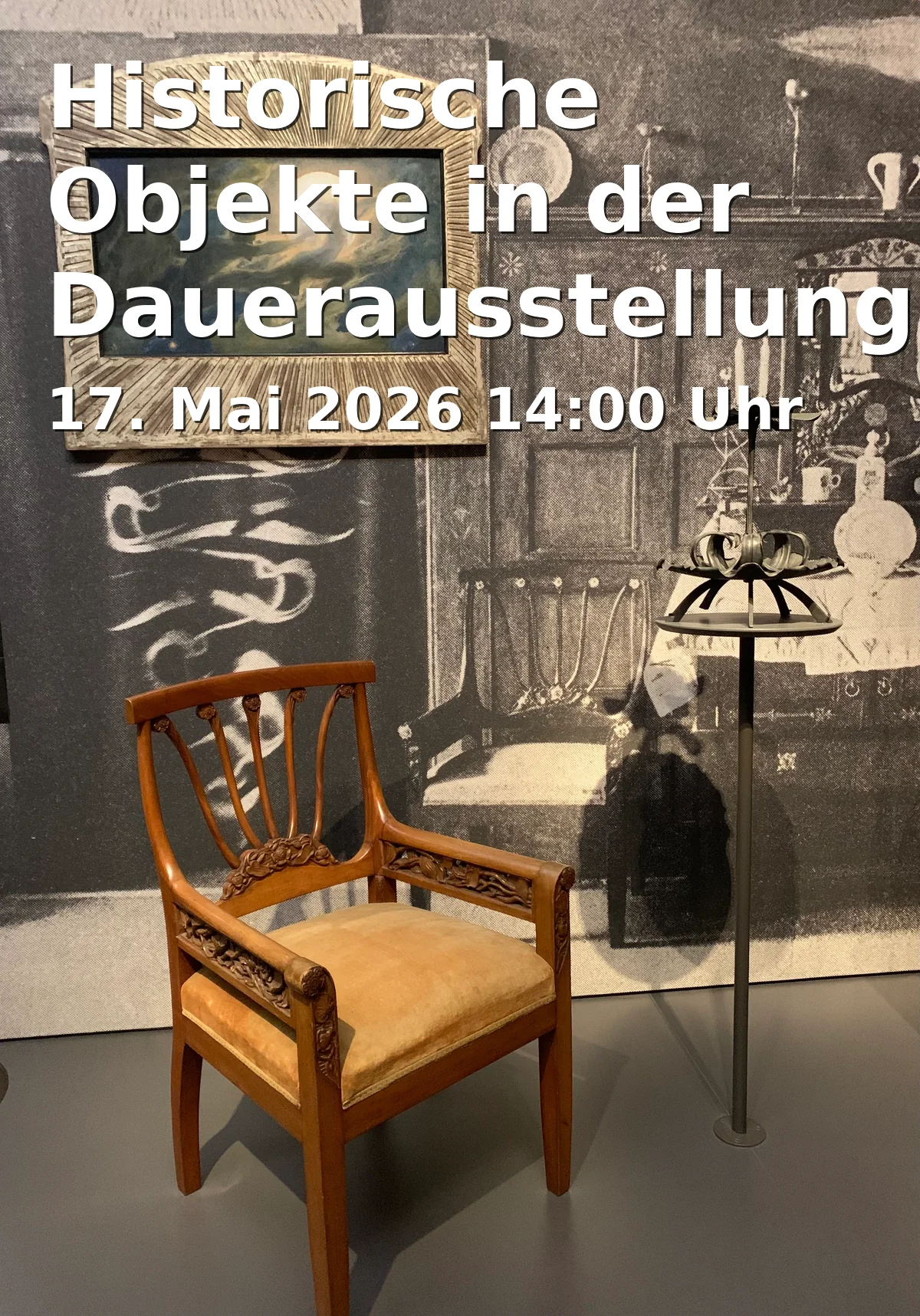
Historical Objects in the Permanent Exhibition of the Dachau Concentration Camp Memorial
Date and Time
Location
Price
About this Event
Mood
Venue Type
International Museum Day in Dachau: A Tour of Objects that Speak History
On May 17, 2026, the Dachau Concentration Camp Memorial will open its permanent exhibition for a special themed tour. Led by Uli Unseld from the Memorial's Education Department, this appointment delves deep into the material history of the site: from prisoner uniforms and tools to the camp gate that was stolen in 2014 and later recovered. The examination of the artifacts sharpens the focus on forms, traces, and stories of things – a compelling artistic experience at a central European site of remembrance.
Objects as Testimonies: Materials, Traces, Meanings
Amid rough fabric, worn metal, and weathered wood, an aesthetic experience unfolds that makes historical evidence visible. The curation of the permanent exhibition organizes paintings, drawings, documents, and everyday objects into a dense web of signs and context. Drawings by survivors open subtle visual worlds: lines, hatching, and formal reduction act like windows in personal memories.
Exhibition Atmosphere: Space, Light, and Memory
In the former economic building, light direction, sequences of space, and textures coalesce into a reflected exhibition atmosphere. The spatial effect remains deliberately sober: clear sightlines, restrained colors, precise labeling. This museum setting allows for concentrated examination of works and promotes cultural education without pathos, but with historical depth.
Historical Context: From Camp to Place of Learning
As an early concentration camp, Dachau is paradigmatic of the development of the Nazi terror system. Since 1965, the memorial – supported by the Bavarian Memorials Foundation – has commemorated persecution, forced labor, and murder. The tour illuminates the subsequent history of the site: object biographies like the camp gate show how memory culture, restoration, and provenance research interact.
Education in Dialogue: Asking Questions, Reading Traces
The guided tour addresses both professional and emotional approaches. It conveys contextual knowledge, visible signs of use, and museum methods – from collection work to conservation decisions and the methodological exploration of image sources. Barrier-free access allows for inclusive participation; the number of participants is purposefully limited to 30 to ensure focused observation.
Voices of the Visitors
The reactions from visitors are clear: The tour makes history visible and strengthens the culture of remembrance. On Instagram, art enthusiasts emphasize the intensive proximity to the works and the nuanced curation. On Facebook, visitors highlight the respectful handling of images and the clear didactic structure. On YouTube, the digital formats of the memorial are praised as a meaningful supplement to pre- and post-visit preparations.
Conclusion
Those who want to not only see historical objects but understand them will find a precise, sensorially accessible introduction here. International Museum Day offers the rare opportunity to experience object biographies, spatial effects, and curatorial decisions in ensemble. Recommendation: register in advance and visit the exhibition on-site consciously, respectfully, and with time.
Official Channels of the Dachau Concentration Camp Memorial:
- Instagram: https://www.instagram.com/dachaumemorial
- Facebook: https://www.facebook.com/DachauMemorial
- YouTube: https://www.youtube.com/@DachauMemorial
- Website: https://www.kz-gedenkstaette-dachau.de/